
Smoke alarms save lives, make sure yours work.
In line with the National Fire Chiefs Council’s (NFCC) Fire Kills campaign, Royal Berkshire Fire and Rescue Service (RBFRS) is encouraging residents across the county to test their smoke alarms regularly.
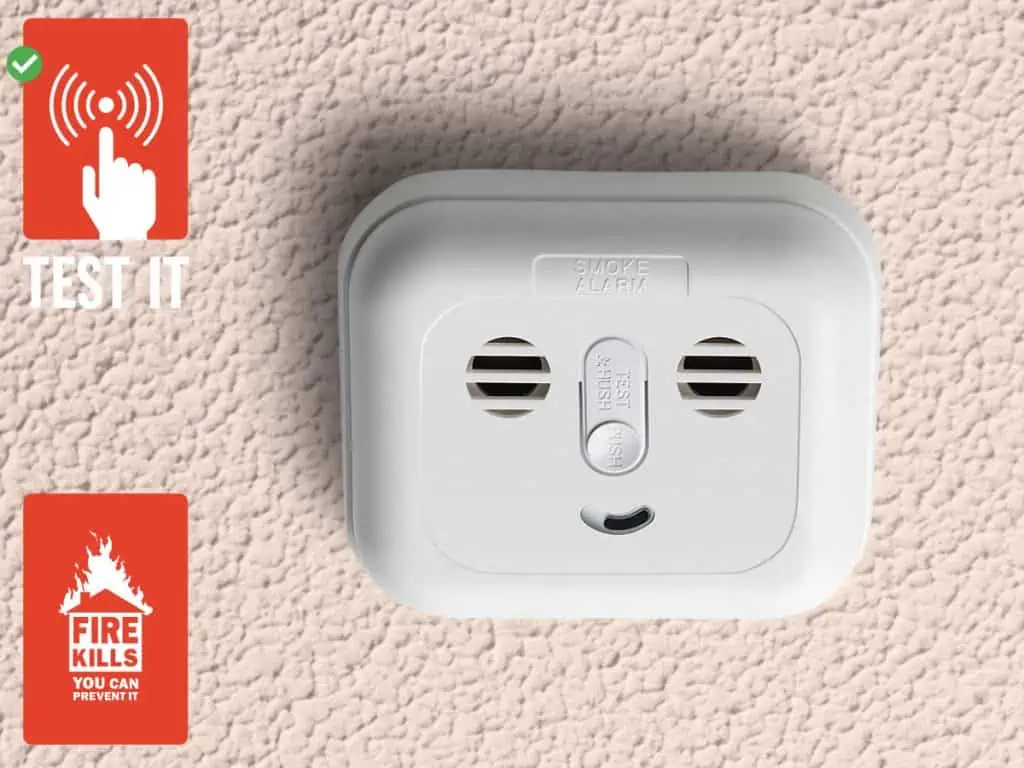
Nicola Smith, Prevention Manager at RBFRS says: “You are around 12 times more likely to die in a fire if you do not have any working smoke alarms. This is why we are urging everyone to ensure that they have at least one working smoke alarm on every level of their homes.
“Make sure your alarms work by testing them regularly. Our advice is to test your smoke alarms once a week. All it takes is a quick press of the button on the alarm until the alarm sounds. That will give you peace of mind that the alarm will work should you need it.
“The simple act of testing your smoke alarms could save the lives of yourself and your loved ones. Don’t skip this important safety step.”
Follow these steps to ensure your smoke alarms are working properly:
Installing Smoke Alarms:
- Install a smoke alarm on every level of your home.
- The best places to fit them are at the bottom of the stairs, with further alarms on each stair landing.
- The ideal position is on the ceiling, as near as possible to the centre of the room, hallway or landing.
Looking After Your Smoke Alarms:
- Test the batteries once a week.
- Twice a year, gently vacuum around the alarms to remove excess dust.
- Change the batteries once a year (unless it is a ten-year alarm or a mains-wired alarm).
- Every ten years, replace the entire smoke alarm.
- Take some time to check on vulnerable relatives and neighbours and test their alarms for them. Vulnerable people are at a greater risk from fire, so check to see if they have working smoke alarms that are properly installed.
If You Live in Rented Accommodation or Social Housing:
- Landlords and housing providers are required by law to fit smoke alarms in all rented accommodation.
- Carbon monoxide alarms must also be fitted in rented properties with fixed appliances, such as gas boilers or fires.
- Carbon monoxide alarms to be fitted when new appliances, such as gas boilers or fires, are installed in any home.
- Landlords and housing providers in social and private rented sectors should repair or replace smoke and carbon monoxide alarms once they are told they are faulty.
- Further information about the Smoke and Carbon Monoxide Alarm (Amendment) Regulations 2022, with guidance for landlords and tenants.
For more information about smoke alarms, please visit the RBFRS website.