
The simple fact is that working smoke alarms save lives. That’s why Royal Berkshire Fire and Rescue Service (RBFRS) is encouraging residents to test theirs regularly, so they are alerted in the case of a fire.
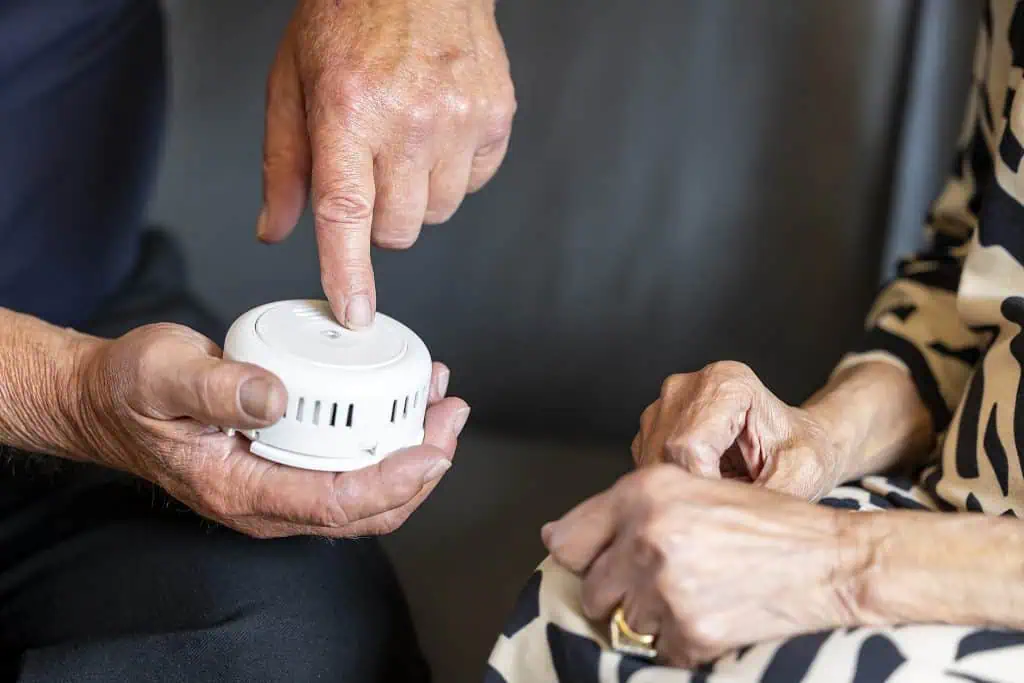
Nicola Smith, Prevention Manager at RBFRS, says: “The easiest way to protect your family from fire in your home is with working smoke alarms. However, most people simply fit them and forget them.
“Make sure you have at least one on every level of your home and test them regularly. You should never disconnect your alarms or take the batteries out, even if it goes off by mistake.
“Give yourself peace of mind knowing that your alarm will give you and your loved ones those vital extra seconds to escape in the event of a fire. Press to test them today.”
Follow our top tips to ensuring your smoke alarms are working as effectively as possible.
Installing Your Alarms
- Do you have enough smoke alarms? Install one on every level of your home.
- Fit one at the bottom of the stairs, with further alarms on each stair landing.
- The ideal position to install your alarms is on the ceiling, as close to the centre of the room, hallway or landing as possible.
- Avoid placing your smoke alarms in kitchens and bathrooms where steam can set them off easily. Instead, place heat alarms in your kitchen.
- Carbon monoxide alarms must also be fitted when appliances such as gas boilers or fires are installed in any home.
Looking After Your Alarms
- Press to test the batteries once a week.
- Twice a year, gently vacuum around the alarms to remove excess dust.
- Once a year, change the batteries (unless it is a ten-year alarm or a mains-wired alarm).
- Replace the entire alarm every ten years.
Information for People Living in Rented Accommodation or Social Housing
- Landlords and housing providers are required by law to fit smoke alarms in all rented accommodation.
- Carbon monoxide alarms must also be fitted in rented properties with fixed appliances such as gas boilers or fires.
- Carbon monoxide alarms must also be fitted when appliances such as gas boilers or fires are installed in any home.
- Landlords and housing providers in social and private rented sectors are responsible for repairing or replacing smoke and carbon monoxide alarms once they are told they are faulty.