
Royal Berkshire Fire and Rescue Service (RBFRS) is emphasising the importance of practising fire safety in the home as part of the National Fire Chief Council’s (NFCC) Fire Kills campaign.
Paul Scott, Prevention Manager for RBFRS, said: “There are many sources of fire risk within our homes; electrical appliances, cooking equipment, and candles are just a few. However, by responsibly following recommended fire safety advice, you can keep yourself and your loved ones safe.
“Ensure you plan an escape route which is known by every occupant; the best route is generally the ordinary way in and out of your home. Always keep exits clear.
“If you are ever faced with a fire in your home, keep calm and act quickly by getting everyone out as soon as possible, ensuring to keep low if there is smoke. Do not waste time investigating the cause or rescuing valuables.
“Before opening any doors, check whether it’s warm. If it is, do not open it as fire is on the other side.
“If your escape is blocked and you can’t get out, get everyone into one room, ideally with a window and a phone. Put bedding around the bottom of the door to block out the smoke. Call 999 then open the window and shout “HELP FIRE”.
“If you’re on the ground or first floor, you may be able to escape through a window. Use bedding to cushion your fall and lower yourself down carefully, don’t jump. If you can’t open the window break the glass in the bottom corner. Make jagged edges safe with a towel or blanket.
“Remember: get out, stay out, call 999.
“Your home should be a safe space. Protect it by following fire safety guidelines.”
Smoke Alarms
- Fit at least one smoke alarm on every level of your home. Smoke alarm placement is crucial to the early detection of fires in your home.
- You’re around eight times more likely to die in a fire if you do not have a working smoke alarm in your home. To test your smoke alarm, press the button until the alarm sounds. If it doesn’t sound, replace the battery. In addition, vacuum your smoke alarms every six months to remove dust and thereby reduce the risk of your alarm becoming defective.
For further information, please see our website.
Cooking
- Around half of home fires are caused by cooking accidents. Keep tea towels and cloths away from the hob or cooker. Maintain cleanliness to reduce the risk of a fire igniting from a build-up of grease and fat. Ensure that toasters are similarly clean, are not placed under overhead cupboard and are placed away from flammable items, as well as any water sources.
- While cooking, be careful when wearing loose clothing, and if children are present, keep matches and saucepan handles out of their reach to avoid any accidents. Turn saucepan handles inward so that they do not get knocked off of the stove.
- If a pan catches fire, turn off the heat if it is safe to do so, and never throw water onto it. Do not tackle the fire yourself; get out, stay out, and call 999.
- When you have finished cooking, double check that the cooker is off.
For further information, see our website.
Electrical Appliances
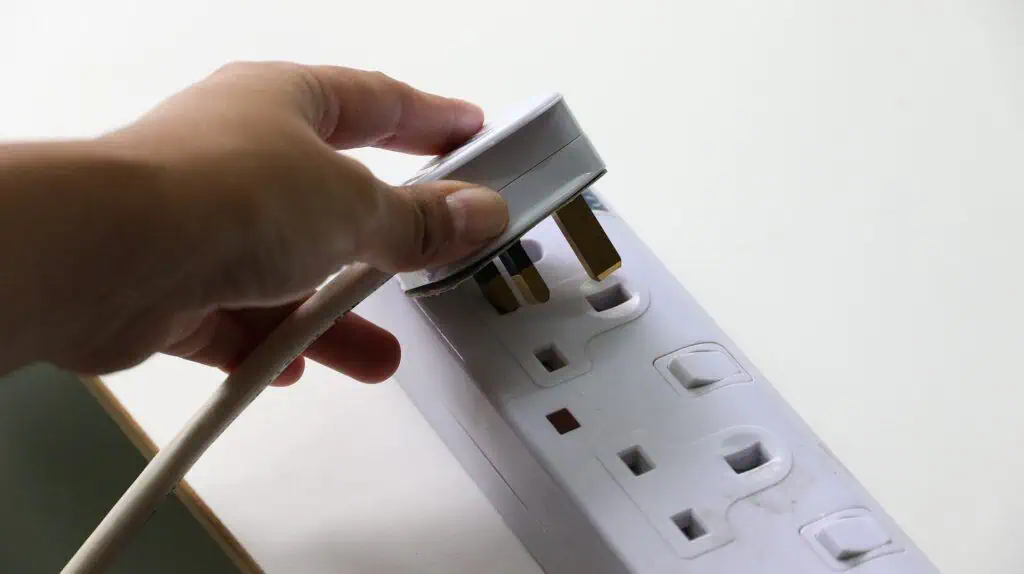
- Faulty electrics, including appliances, wiring, and overloaded sockets cause approximately 4,000 fires in the home across the country every year. Frequently check and replace any old or damaged electrical equipment, including cables and extension leads, especially if they are hidden from view behind furniture or under mats.
- Know the signs of dangerous or loose wiring! This includes scorch marks, hot plugs and sockets, fuses that blow or circuit-breakers that trip for no obvious reasons, and flickering lights.
- Try to keep to one plug per socket; certain appliances, such as washing machines, and items that produce heat should have a single plug to themselves as they are high powered. Unplugging appliances when they are not in use can reduce the risk of fire.
- Ensure that your electrical appliances and chargers have either a British or European safety mark before you purchase them.
- Never leave your electrical devices charging unattended or when you are asleep.
For further information, see our website.
Candles
- Stay safe when using candles. Be certain that any candles are secured in a proper holder and away from flammable materials, such as curtains.
- Ensure you put out candles when you leave the room, and double check they’re out before going to sleep. For a safer alternative, consider using LED or battery-operated candles.
- Never leave children or pets alone with lit candles. With children in the home, keep matches and lighters out of reach, and consider buying child-resistant lighters and match boxes.
For further information, see our website.
Cigarettes
- Stub cigarettes out properly and dispose of them carefully. Put them out. Right out!
- Ensure you use a proper ashtray that can’t tip over and won’t burn.
- Smoking outdoors reduces the risk of fire.
For further information, see our website.
All home fire safety advice can be found on our Safety at Home webpages.